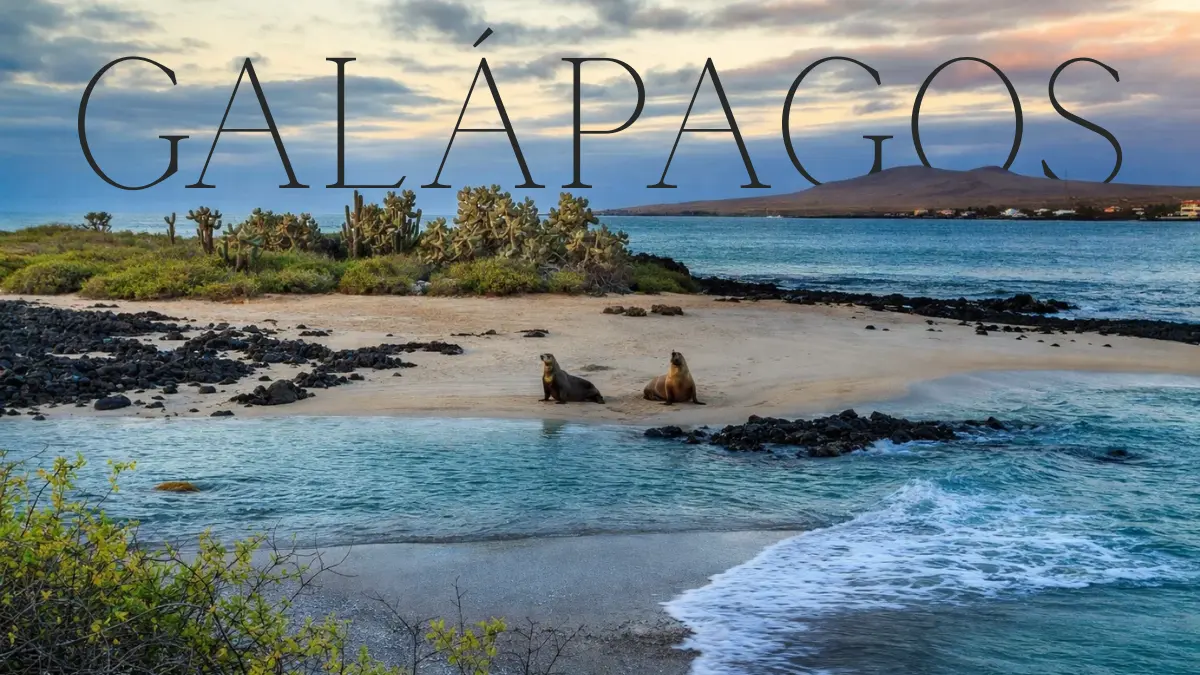
The Galápagos Islands are unlike anywhere else on Earth. Isolated in the Pacific Ocean and shaped by volcanic forces, this extraordinary archipelago is a living laboratory of evolution, where wildlife roams freely and nature feels untouched by time. From giant tortoises and blue-footed boobies to lava landscapes and crystal-clear waters, the Galápagos offer experiences that truly happen once in a lifetime 🌍✨.
In this detailed guide, we explore the Top 5 Galápagos Islands for Once-in-a-Lifetime Travel, explaining what makes each island special, what you can see and do, and why they deserve a place on your ultimate travel bucket list.
Why the Galápagos Are a Once-in-a-Lifetime Destination 🌊
The magic of the Galápagos lies in its raw authenticity:
- Wildlife that shows no fear of humans 🐦
- Unique species found nowhere else on Earth
- Dramatic volcanic landscapes 🌋
- Strict conservation that preserves natural beauty
- Deep connection between science, nature, and travel
Every island offers something different, making the Galápagos a destination that never feels repetitive.
1. Isabela Island – Volcanic Giants & Untamed Nature 🌋🐧

Isabela Island is the largest island in the Galápagos, formed by the merging of six massive shield volcanoes. It feels raw, dramatic, and far less developed than other islands.
Landscape & Geography
- Dominated by active and dormant volcanoes, including Sierra Negra
- Vast lava fields, mangroves, wetlands, and quiet beaches
- One of the most geologically young areas in the Galápagos
Wildlife Highlights
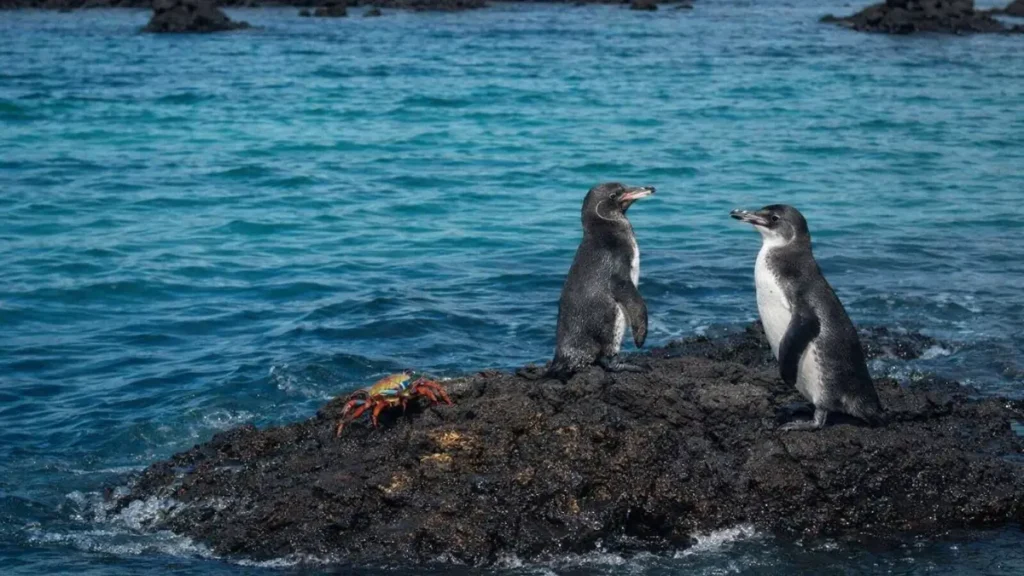
- Galápagos penguins – The only penguin species found north of the equator 🐧
- Marine iguanas – Including unique pink and black variations
- Sea turtles, rays, reef sharks, and tropical fish
- Flightless cormorants, found only in this region

Top Experiences
- Sierra Negra Volcano hike – Walk along one of the world’s largest craters
- Los Túneles – Snorkeling through lava arches and blue lagoons 🐠
- Kayaking mangroves – Spot penguins and sea turtles
Why Isabela Is Special
Isabela offers a feeling of exploration—wide open spaces, fewer crowds, and powerful volcanic energy that defines the Galápagos.
2. Santa Cruz Island – Conservation & Iconic Galápagos Life 🐢🌿
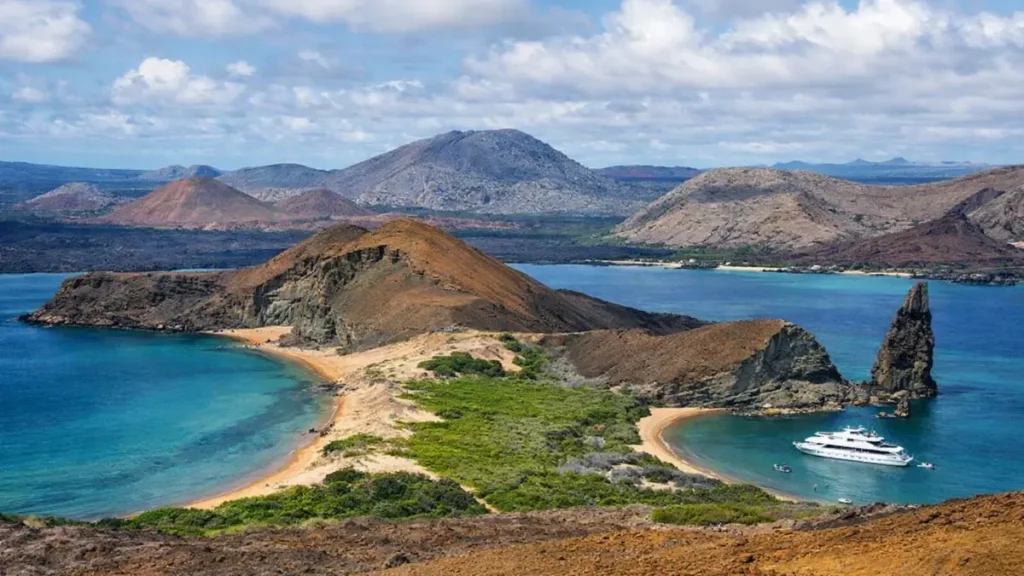
Santa Cruz Island is the most populated and developed island in the Galápagos, serving as the archipelago’s main hub.
Landscape & Geography
- Lush highlands with lava tunnels and farmland
- Coastal mangroves, white-sand beaches, and rocky shores
- Central location makes it ideal for island-hopping
Wildlife Highlights
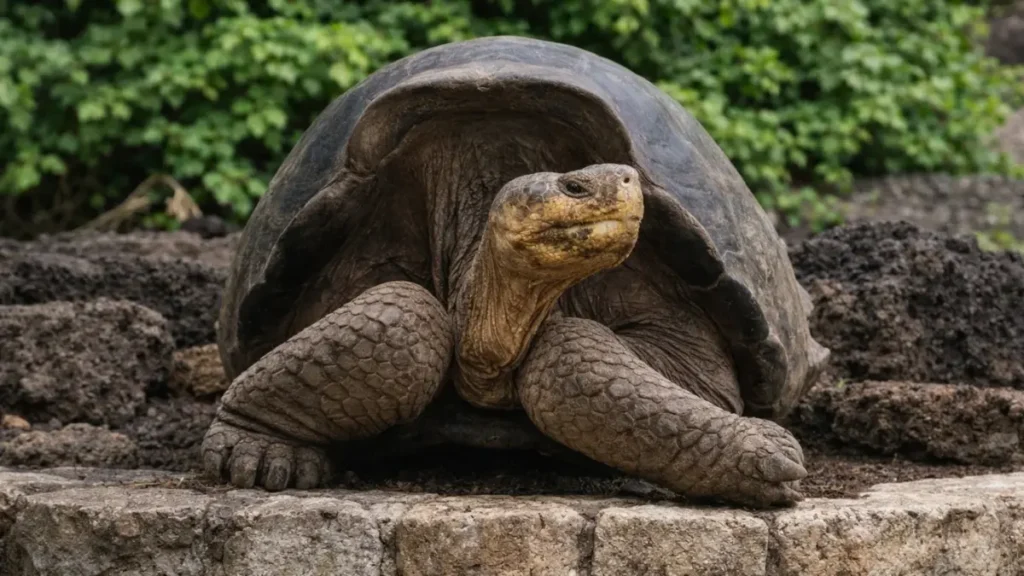
- Giant tortoises roaming freely in the highlands 🐢
- Marine iguanas sunbathing along the coast
- Reef fish, rays, and white-tip sharks
Top Experiences
- El Chato Tortoise Reserve – Walk among wild giant tortoises
- Charles Darwin Research Station – Learn about evolution and conservation 🧬
- Tortuga Bay – Pristine beach with snorkeling and kayaking
Why Santa Cruz Is Special
Santa Cruz blends education, wildlife, and comfort—making it the perfect introduction to the Galápagos.
3. San Cristóbal Island – Sea Lions & Ocean Adventures 🦭🌊

San Cristóbal Island is historically significant as Charles Darwin’s first landing site and is one of the most wildlife-friendly islands.
Landscape & Geography
- Volcanic hills overlooking turquoise bays
- Mix of beaches, cliffs, and coral-rich waters
- Home to the relaxed town of Puerto Baquerizo Moreno
Wildlife Highlights
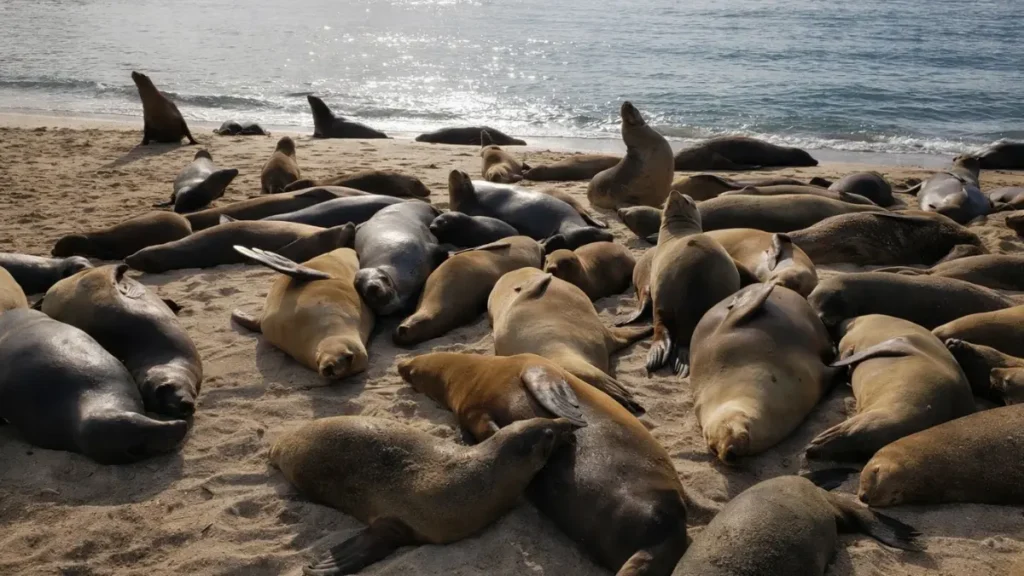
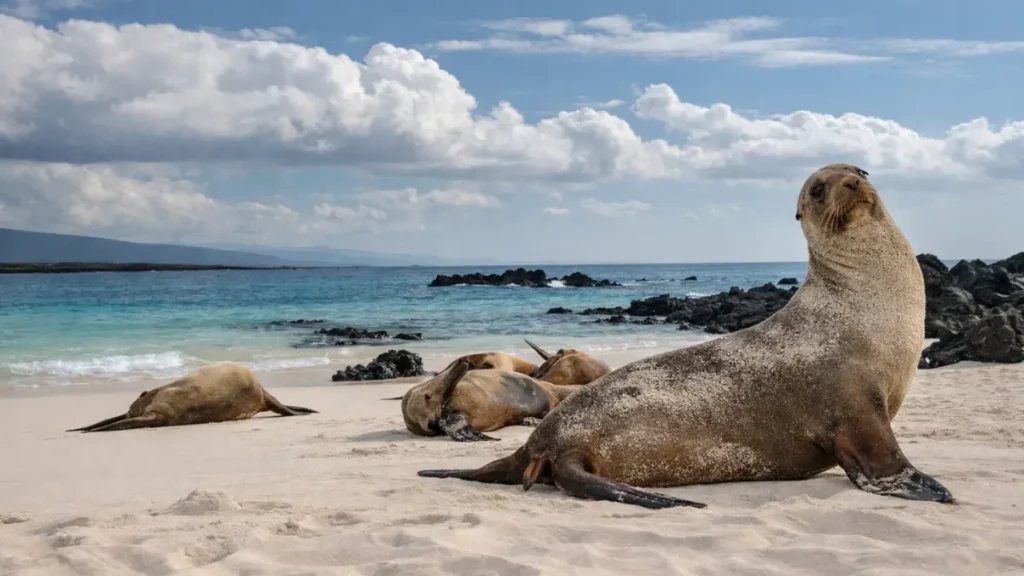
- Sea lions everywhere—on beaches, benches, and boats 🦭
- Green sea turtles and eagle rays
- Hammerhead and reef sharks
Top Experiences
- La Lobería Beach – Swim with sea lions
- Kicker Rock (León Dormido) – Iconic snorkeling and diving site
- Interpretation Center – Learn about the natural and human history
Why San Cristóbal Is Special
This island offers the closest wildlife encounters and some of the best snorkeling in the Galápagos.
4. Española (Hood) Island – Ancient Landscapes & Rare Species 🐦🌊
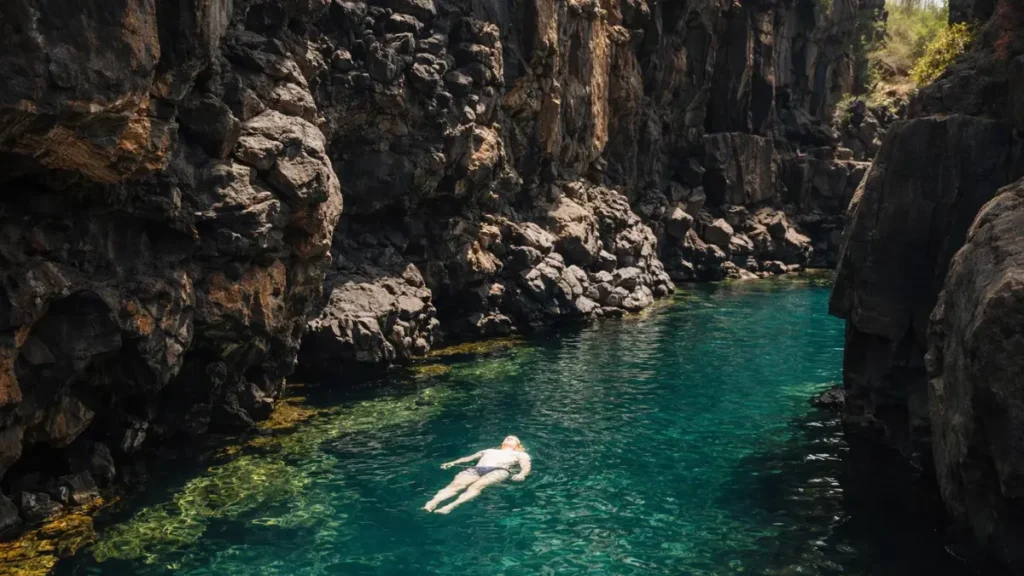
Española Island is one of the oldest islands in the Galápagos, known for its dramatic cliffs and rare endemic species.
Landscape & Geography
- Low-lying terrain with white-sand beaches
- Rugged cliffs shaped by constant wave action
- Remote and protected, accessible by guided tours only
Wildlife Highlights
- Waved albatross (April–December) – Almost exclusive to this island 🕊️
- Blue-footed boobies performing courtship dances
- Colorful marine iguanas with red and green hues
Top Experiences
- Gardner Bay – One of the most beautiful beaches in the Galápagos
- El Soplador blowhole – Seawater shoots high into the air 🌊
- Coastal walking trails filled with birds
Why Española Is Special
Española feels timeless—a place where wildlife rituals continue unchanged for centuries.
5. Genovesa (Tower) Island – The Ultimate Bird Sanctuary 🐦🛶
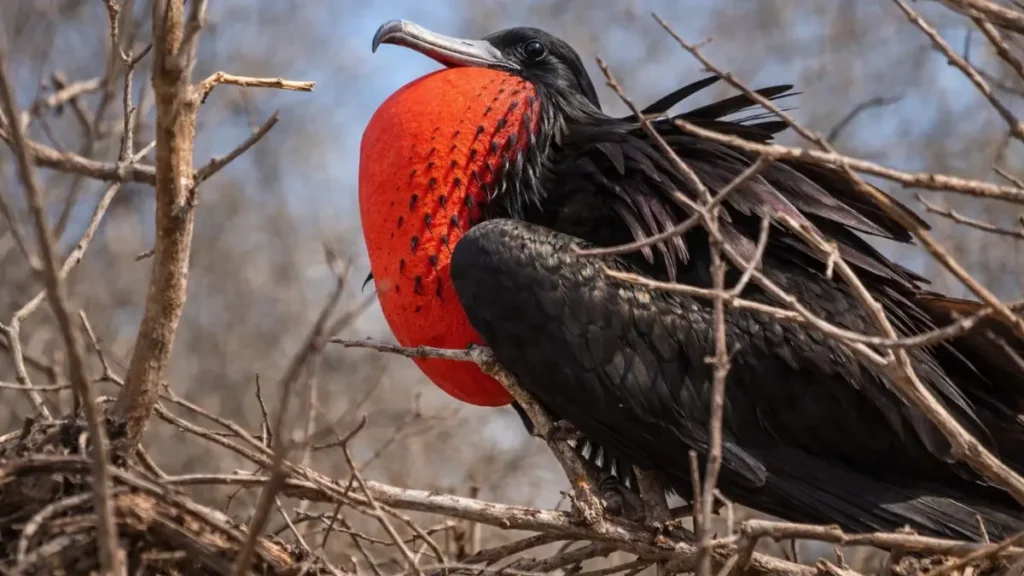
Genovesa Island, often called “Bird Island,” sits in the remote northern Galápagos and is a dream destination for bird lovers.
Landscape & Geography
- Collapsed volcanic caldera partially flooded by the sea
- Red cliffs, lava ledges, and calm inner waters
- Rarely visited except on cruise itineraries
Wildlife Highlights
- Red-footed boobies nesting in trees ❤️
- Storm petrels, a favorite prey of short-eared owls
- Nazca boobies, frigatebirds, and swallow-tailed gulls
Top Experiences
- Prince Philip’s Steps – Cliff walk among nesting seabirds
- Darwin Bay – Easy landing with dense bird colonies
- Kayaking inside the caldera for close wildlife viewing
Why Genovesa Is Special
Nowhere else in it offers such dense birdlife in such a small area.
Comparison Overview 📊
| Island | Main Attraction | Best For |
|---|---|---|
| Isabela | Volcanoes & penguins | Adventure & nature |
| Santa Cruz | Tortoises & research | First-time visitors |
| San Cristóbal | Sea lions & snorkeling | Marine life |
| Española | Albatross & boobies | Rare wildlife |
| Genovesa | Bird colonies | Birdwatching |
Best Time to Visit the Galápagos ☀️
- December–May: Warm waters, excellent snorkeling
- June–November: Cooler seas, abundant wildlife activity
Each season offers unique encounters, making the year-round destination.
Why the Galápagos Change You 💙
It is not just about sightseeing—it’s about understanding nature, evolution, and our role in protecting fragile ecosystems. Few destinations leave such a deep emotional and intellectual impact.
FAQs About the Galápagos ❓
Is the Galápagos worth the cost?
Yes. The experiences, wildlife encounters, and conservation value make it truly priceless.
Do I need a guide in the Galápagos?
Many islands require certified guides to protect ecosystems.
Is the Galápagos safe for travelers?
Very safe, with strong regulations and eco-tourism standards.
How many days are ideal for a trip?
7–10 days allows you to explore multiple islands comfortably.
Can I visit the Galápagos without a cruise?
Yes, island-hopping from Santa Cruz, Isabela, and San Cristóbal is possible.
Also Explore :
Final Thoughts 🌍✨
The Top 5 Galápagos Islands for Once-in-a-Lifetime Travel—Santa Cruz, Isabela, San Cristóbal, Española, and Fernandina—represent the very best of this extraordinary archipelago.
If you dream of raw nature, unforgettable wildlife, and meaningful travel, the waiting to change the way you see the world 🐢🌊.

I am a luxury travel content specialist with over 9 years of experience covering exclusive luxury resorts, private islands, and elite travel experiences around the world. Through in-depth research and curated insights, my platform helps discerning travelers discover high-end destinations, bespoke stays, and unforgettable escapes designed for comfort, privacy, and elegance.